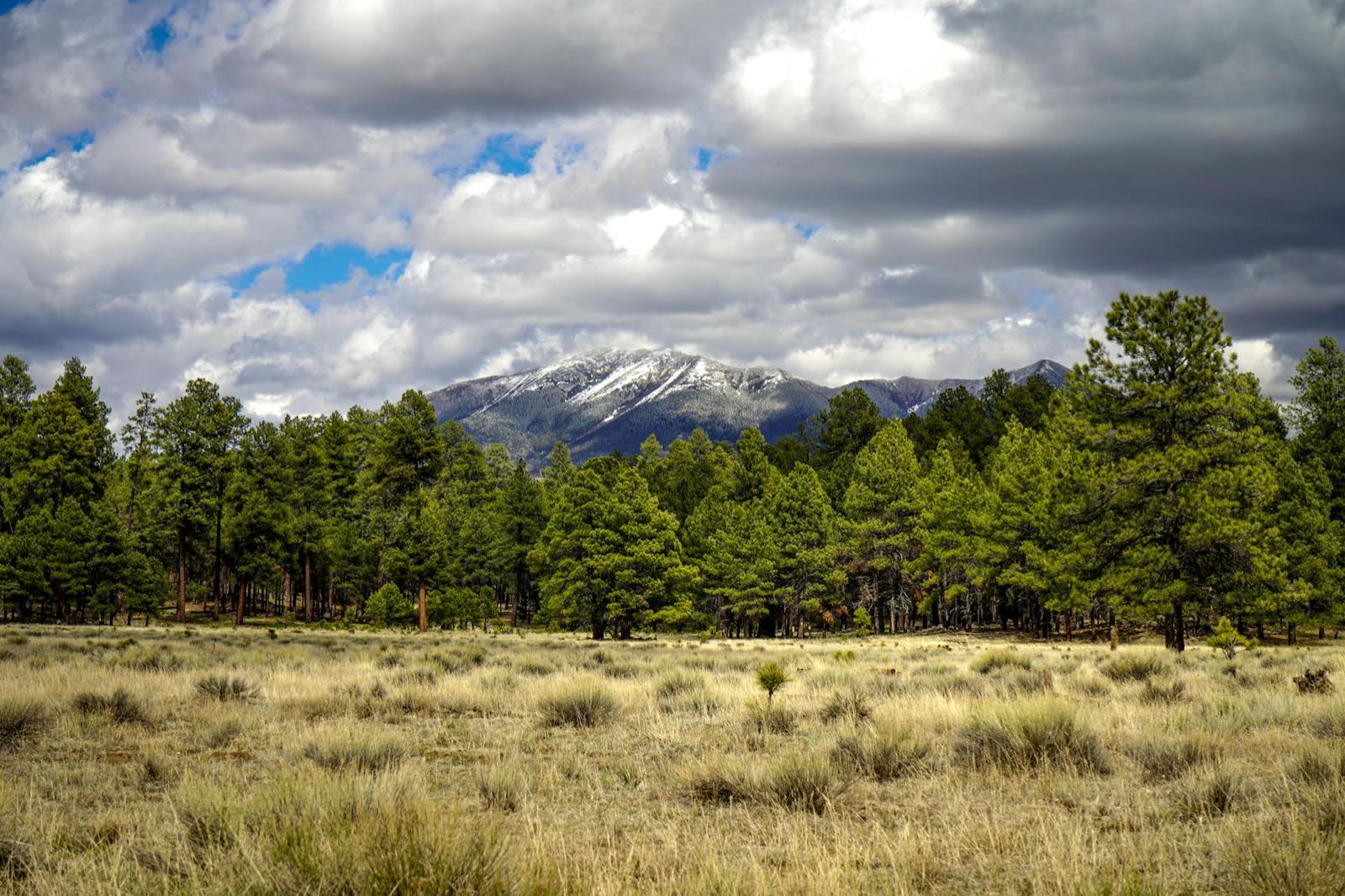
Most people who picture Arizona picture saguaro cactus and 110°F pavement. The White Mountains, at roughly 7,000 to 9,000-plus feet along the Mogollon Rim, are the part of the state that snows — and Sunrise Park Resort, near Greer, is where that snow turns into a genuine ski trip. It's the largest ski and snowboard area in Arizona, spread across three peaks, operated by the White Mountain Apache Tribe on the Fort Apache Indian Reservation.
This guide covers what to expect from a White Mountains ski trip: the resort itself, the Nordic and snow-play options beyond the lifts, and the honest seasonal caveats of skiing in a high-desert mountain range rather than a snowbelt destination. For the rest of the winter picture — cabins, driving conditions, and what else there is to do when the lifts close for the day — see our White Mountains travel guide and our scenic drives guide for the approach roads.
Before You Go: Tribal Land & Snow-Year Variability
Sunrise Park Resort sits on the Fort Apache Indian Reservation and is owned and operated by the White Mountain Apache Tribe — visitors are guests on Apache land, and recreation off resort property (backcountry travel, some trailheads, most fishing) generally requires separate Tribal permits. Snowfall in this range varies significantly year to year; unlike a Rockies mega-resort, Sunrise Park's season length and terrain-open percentage move with the winter it gets. Always check current conditions, lift status, and season dates directly with the resort before finalizing a trip.
Sunrise Park Resort — Arizona's Largest Ski Area
Sunrise Park spreads its terrain across three named peaks, giving it a scale unusual for a desert-state ski area — beginner-friendly runs, intermediate cruisers, and steeper advanced terrain are all represented, along with a terrain park for freestyle skiers and riders. The resort's base area typically includes rental equipment and lessons, which matters if you're introducing kids or first-timers to the sport rather than arriving with your own gear. [Verify current lift count, terrain-park features, and rental/lesson availability with Sunrise Park directly, since these can change season to season.]
Elevation here matters as much as it does anywhere else in the White Mountains: the resort sits well above 9,000 feet at points on the mountain, meaning colder temperatures and generally more reliable snow retention than the surrounding lower-elevation forest. That altitude is also worth planning around if you're arriving from near sea level — pace yourself on the first day, especially if you're not used to exertion at elevation.
Getting there: Sunrise Park is reached via the state highway network near Greer, roughly a half-hour or so off SR-260/SR-273 depending on your approach — check current mapped driving directions before you go, since winter road conditions can add time. For the broader approach into the White Mountains from the Valley, see our Salt River Canyon and Coronado Trail guide.
Nordic Skiing, Sledding & Snow Play
Not every winter trip to the White Mountains needs a lift ticket. In years with a healthy snowpack, the Apache-Sitgreaves National Forests around Pinetop-Lakeside, Greer, and the high plateau hold enough snow for cross-country (Nordic) skiing and snowshoeing on forest roads and portions of the White Mountains Trail System that aren't plowed. Sunrise Park itself has historically offered groomed Nordic trail options in addition to downhill terrain — confirm current Nordic trail status and any associated fees with the resort or the Forest Service before you go.
Families traveling with young kids who don't ski often look for informal sledding hills on national forest land near Pinetop-Lakeside and Show Low, or ask locally about designated snow-play areas — conditions and access vary by year and by snow depth, so this is very much a "check what's open this week" activity rather than something with a fixed schedule.
Even outside ski season, the same terrain that holds snow in winter is the summer draw for hiking the White Mountains Trail System and Mount Baldy — many trailheads simply swap skis for boots between seasons.
When to Plan a White Mountains Ski Trip
Because the White Mountains are a high-desert range rather than a coastal or Rockies snowbelt, the ski season here runs on the snow year it gets. In a strong winter, Sunrise Park can open before the December holidays and hold terrain into March. In a dry winter, opening can slip later and closing can come earlier, and midweek conditions can differ noticeably from a weekend after a fresh storm. The practical takeaway: book lodging with flexible cancellation where possible, and check the resort's current snow report in the days before you travel rather than planning purely off a typical-season assumption.
Winter driving is its own consideration — the approach roads through the high country can ice, and the Salt River Canyon descent on US-60 from the Valley is a different drive in winter conditions than in summer. Carry chains or appropriate tires if snow is forecast, and check road conditions before heading up.
Winter Tours & Activities in the White Mountains
Guided snow and winter adventures, plus warm-season tours for when you come back in summer — hand-picked experiences from Viator. Affiliate disclosure.
Browse White Mountains ToursWe earn a small commission if you book — at no extra cost to you.
More White Mountains Guides
Greer, Arizona
The tiny alpine village nearest Sunrise Park — cabins, the Little Colorado headwaters, and the fall-color season.
Alpine VillageHiking & Trails
The same terrain in summer — the White Mountains Trail System, Mount Baldy, and the Mogollon Rim.
Warm SeasonScenic Drives
The Salt River Canyon and Coronado Trail — the approach drives into the high country, in any season.
Road TripLakes & Fishing
Big Lake and the Rim lakes — the same high country's summer trout season.
Trout FishingFrequently Asked Questions
Is there really skiing in Arizona?
Yes. Sunrise Park Resort, in the White Mountains near Greer, is Arizona's largest ski and snowboard area, spread across three peaks with lifts, groomed runs, a terrain park, and a base area with rentals and lessons. It surprises a lot of first-time visitors because Arizona's tourism image runs almost entirely on desert and red rock, but the high country here sits well above 9,000 feet and holds real winter snowpack in a typical year.
Who operates Sunrise Park Resort, and is it on tribal land?
Sunrise Park Resort is owned and operated by the White Mountain Apache Tribe on the Fort Apache Indian Reservation. It's a working part of the Tribe's economy, not a backdrop, and visitors are guests on Apache land. Some winter recreation nearby (backcountry travel, certain trailheads) may require separate Tribal permits — check with the resort or the Tribe's recreation office before venturing off resort property.
When is ski season at Sunrise Park?
Typically mid-December through March, but Sunrise Park is a high-desert mountain resort, not a Rockies-style destination with guaranteed base depth, so opening and closing dates shift year to year with snowfall. Some seasons the resort opens before Christmas; in a dry year it can open later or close early. Always check current lift status, terrain open, and season dates directly with the resort before planning a ski trip around specific days.
Can beginners and families ski at Sunrise Park?
Yes — Sunrise Park's three peaks spread terrain across beginner, intermediate, and advanced runs, and the resort typically offers rental equipment and lessons for people skiing or riding for the first time. Families who don't want to ski at all can usually find snow-play options nearby, such as sledding areas and groomed Nordic trails, without buying a lift ticket. Confirm current rental and lesson availability with the resort before you go, since offerings can change season to season.
What if there's no snow — are there other winter options in the White Mountains?
Yes. Snowfall varies year to year across the Apache-Sitgreaves National Forests, and a lean snow year can limit both downhill skiing and Nordic trails. When natural snowpack is thin, cabin time, the mountain lakes, and the White Mountains Trail System (much of which is hikeable even in winter at lower elevations) are reliable fallback plans. Because conditions swing widely, it's worth checking current snow reports before committing a whole trip to skiing alone.
