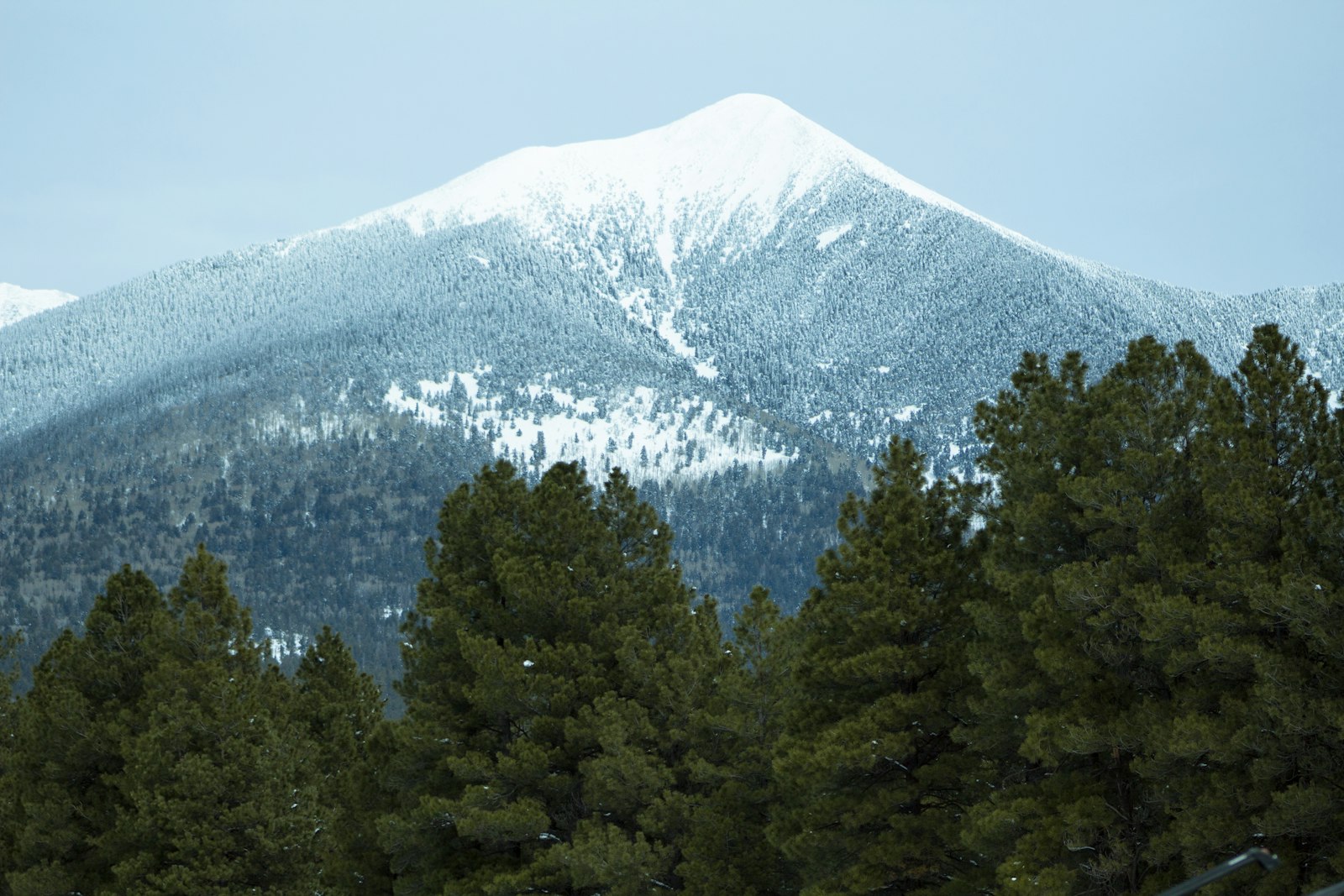
Sitting at 7,000 feet above sea level, Flagstaff is where ponderosa pines tower over a lively downtown, Route 66 meets world-class stargazing, and the Grand Canyon is just an hour's drive north. Whether you're escaping the desert heat, chasing powder at Snowbowl, or using Flagstaff as base camp for Northern Arizona's greatest adventures, we've got you covered with honest, opinionated recommendations. New to Flagstaff? Start with our first-time visitor's guide.
Explore Flagstaff by Audio Tour
No group to join. No schedule to follow. Your phone plays expert narration as you arrive at each stop — and the first 3 stops are free.
Grand Canyon Day Trip
GPS-guided narrated drive from Flagstaff to the South Rim and back — canyon geology, Route 66 history, and viewpoint commentary.
Route 66 Downtown Walk
Self-guided walking tour through Flagstaff's historic downtown — neon signs, the 1926 train depot, Victorian sandstone, and 140 years of stories.
Dark Sky Stargazing Guide
The world's first Dark Sky City. Five specific pullouts and viewing spots beyond Lowell Observatory — with directions, sky quality ratings, and what to bring.
The Guides Everyone Reads First
New to Flagstaff? These are the pieces our readers come back to — honest, opinionated guides written from personal experience.
12 Mistakes First-Time Visitors Make
Driving to the Grand Canyon without a parking plan, booking the wrong Route 66 hotel, hiking Humphreys in July midday — we've seen it all.
Is Flagstaff Worth Visiting?
An honest verdict for different types of travelers — who should go, who shouldn't, and what Flagstaff actually delivers vs. the brochure version.
Downtown Walking Tour (8 Stops)
A self-guided 1.2-mile loop through the historic district — GPS waypoints, building stories, and where to stop for beer along the way.
Phoenix to Flagstaff Road Trip
Stop-by-stop itinerary for the 2-hour drive north — where to pull over, what to skip, and why the I-17 climb is more interesting than you think.
Flagstaff vs. Pinetop
Both are mountain escapes from Phoenix. One has a downtown and the Grand Canyon. The other has lakes and quiet. Here's how to choose.
The 2-Day Flagstaff Itinerary
Day 1: downtown and dark skies. Day 2: hiking the San Francisco Peaks and breweries. The weekend trip we'd plan for a friend visiting for the first time.
The 3-Day Flagstaff Itinerary
Day 1: downtown and dark skies. Day 2: hiking and Walnut Canyon. Day 3: Grand Canyon day trip. The full first-timer experience.
Things to Do in Flagstaff
Flagstaff packs more adventures per square mile than anywhere in Arizona. From ancient ruins to world-famous observatories, craft breweries to snow-covered peaks.

Lowell Observatory
Where Pluto was discovered. Public telescope nights let you stargaze under some of the darkest skies in America.
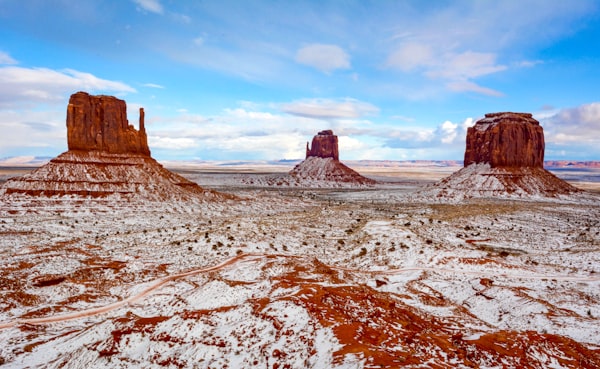
Dark Sky Stargazing
The world's first International Dark Sky City. The Milky Way stretches across the sky in a way most Americans have never experienced.
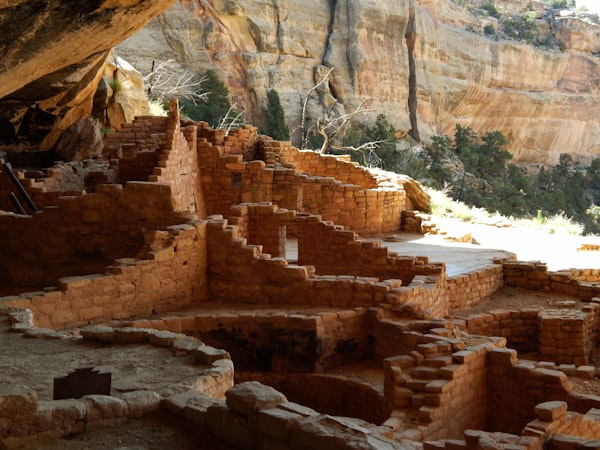
Walnut Canyon
Ancient cliff dwellings tucked into canyon walls, just 10 minutes from downtown. One of the most underrated national monuments in Arizona.
Hiking in Flagstaff
From gentle loops through wildflower meadows to the lung-burning ascent of Arizona's highest peak, Flagstaff's trail system is as diverse as any mountain town in the West.
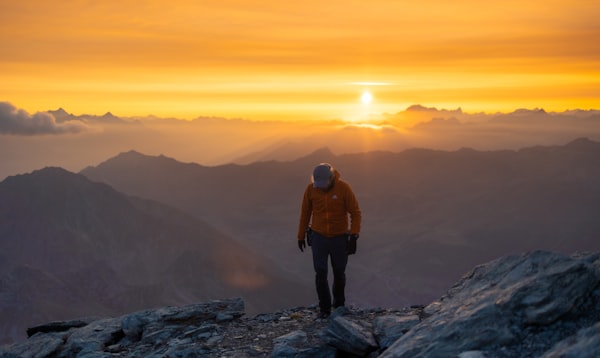
Humphreys Peak
Arizona's highest point at 12,637 feet. A 10-mile round trip with panoramic views that stretch to the Grand Canyon.
Strenuous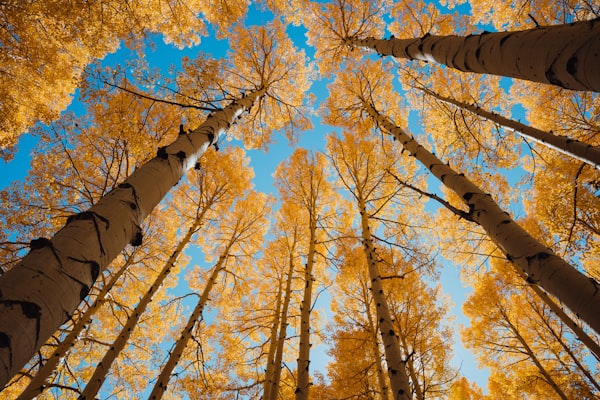
Kachina Trail
Our favorite trail for fall color. Dense aspen groves that explode with gold in late September.
Moderate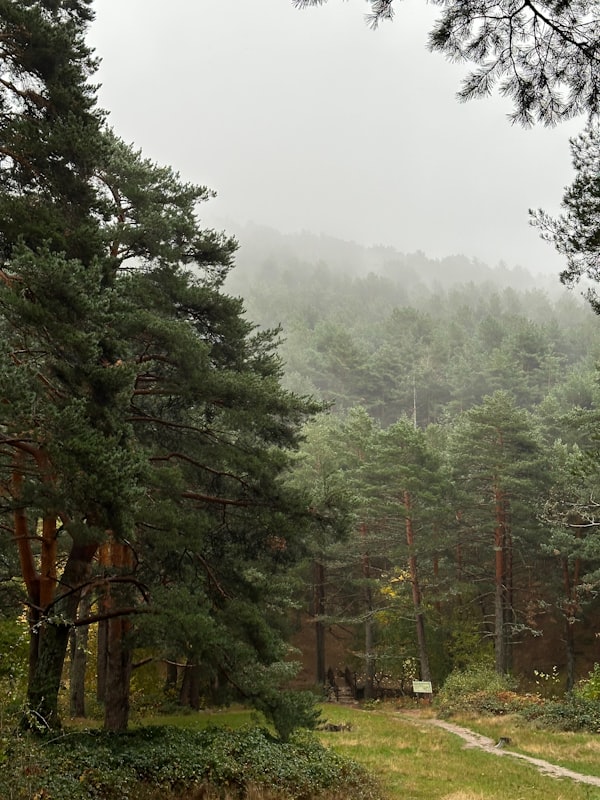
Fatman's Loop
A quick, fun loop just east of downtown with volcanic rock formations and panoramic city views. Great for a morning outing.
Easy-ModerateDay Trips from Flagstaff
Flagstaff is the ultimate base camp for Northern Arizona. The Grand Canyon, Sedona, ancient ruins, petrified forests, and Monument Valley are all day-trip distance.
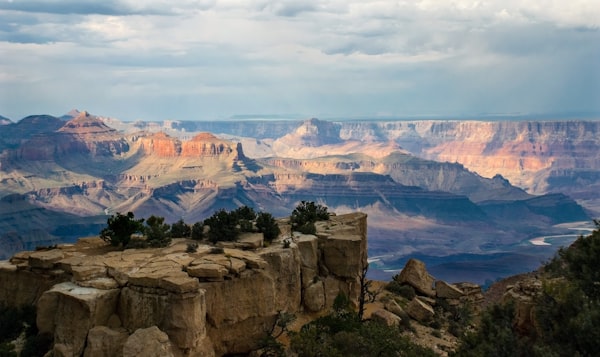
Grand Canyon South Rim
The big one. Just 80 miles north — close enough for a full day trip. Arrive early to beat the crowds at Mather Point.
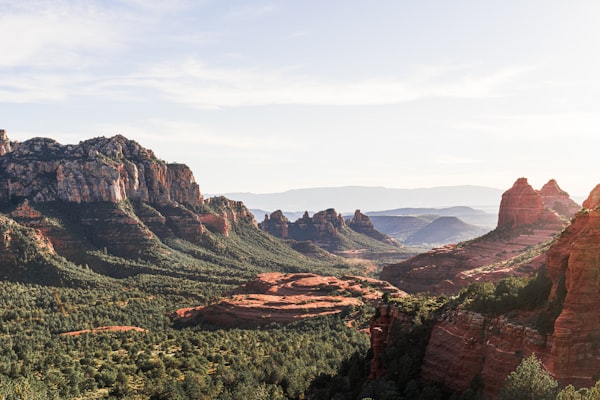
Sedona
One of the most scenic drives in America through Oak Creek Canyon. Red rocks, art galleries, and vortex sites.
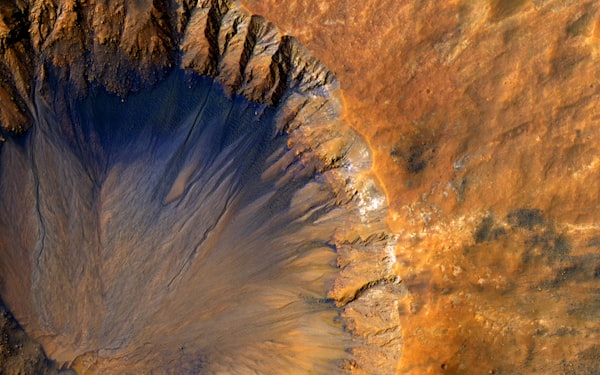
Meteor Crater
A 50,000-year-old, nearly mile-wide impact crater. The best-preserved meteorite impact site on Earth.
Driving to the Grand Canyon? Our GPS Audio Tour narrates the entire drive — canyon geology, Route 66 history, and every viewpoint. Coming from Vegas? See our Las Vegas to Flagstaff road trip guide.
Best Restaurants in Flagstaff
Flagstaff's dining scene punches well above its weight for a town of 75,000. The combination of a university crowd, outdoor enthusiasts, and a creative community has produced an eclectic restaurant scene.

Fine Dining
Josephine's Bistro, Tinderbox Kitchen, and Sosta — farm-to-table cuisine with exceptional wine lists.

Craft Breweries
Mother Road, Historic Brewing, Lumberyard, and Flagstaff Brewing — five excellent breweries in a single afternoon walk.
Breakfast & Mexican
Toasted Owl Cafe, MartAnne's Burrito Palace, Salsa Brava, and Tourist Home All Day Cafe — from pre-hike fuel to authentic street tacos.
When to Visit Flagstaff
Flagstaff is a true four-season destination. Each season brings a completely different experience, and the honest truth is there's no bad time to visit.
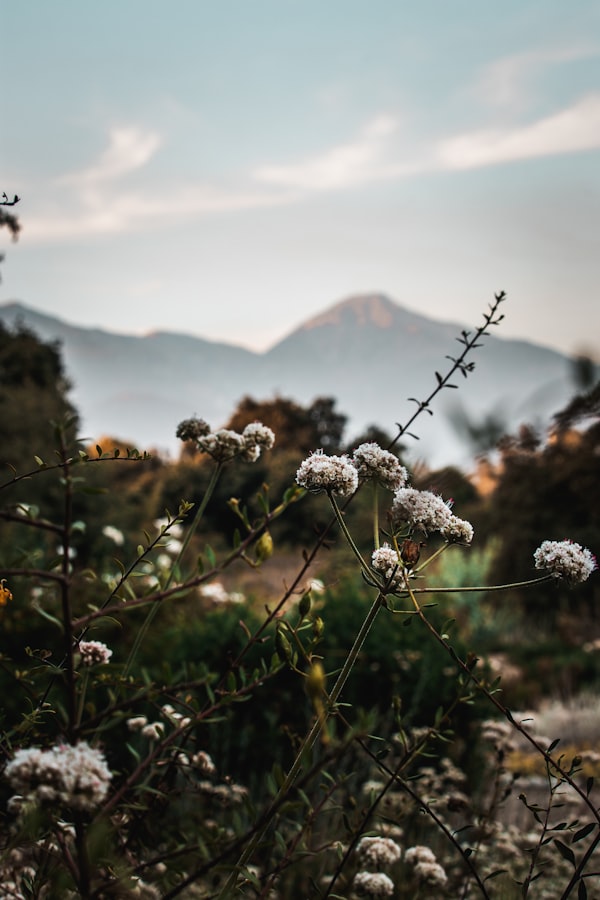
Summer — The Phoenix Escape Plan
While Phoenix bakes at 106°F, Flagstaff hovers around 78°F. Activities, monsoon tips, packing guide, and where to stay.
Fall
Our personal favorite. Aspen groves erupt in gold by late September, crowds thin out, and the air turns crisp. Fall colors rival New England.
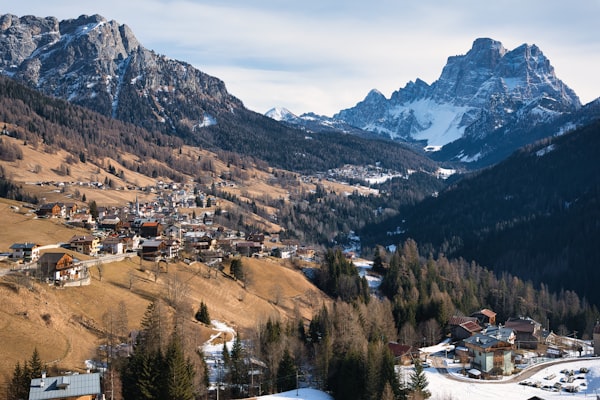
Winter
Flagstaff transforms into a snow-covered mountain town. Arizona Snowbowl opens for skiing with 100+ inches of annual snowfall.
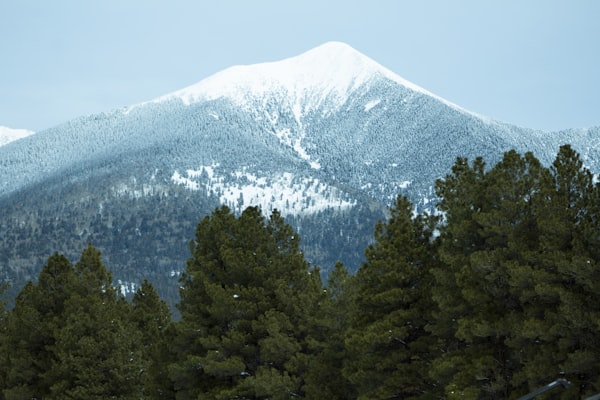
Spring
Fewer crowds, lower prices, and a gradual warming that makes hiking comfortable by April. Wildflower season starts late April.
Where to Stay
We cover 10+ hotels in our full Flagstaff hotels guide. Here are two we keep coming back to.
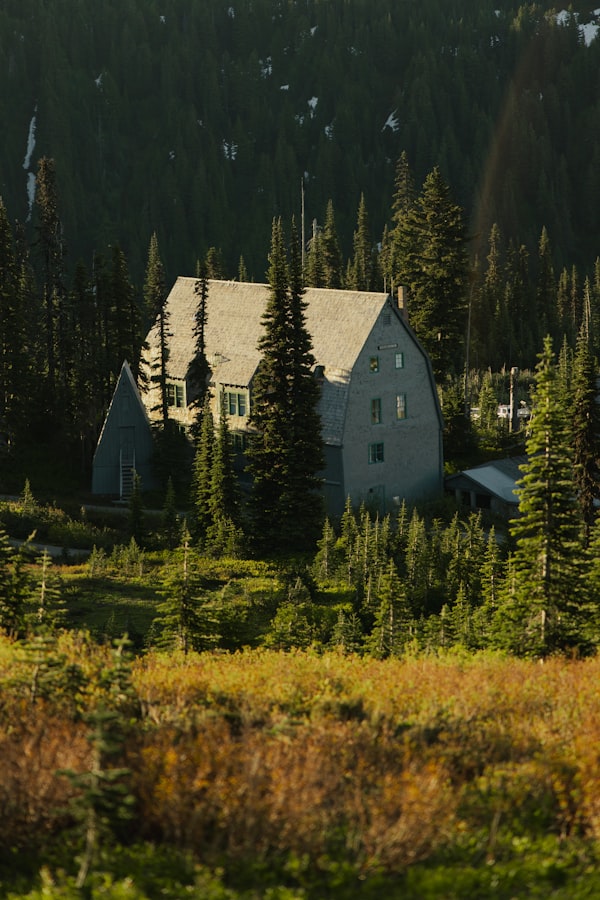
Little America Hotel
500 acres of ponderosa pine forest, oversized rooms, and walking trails out your door. The best hotel in Flagstaff, and it's not close.
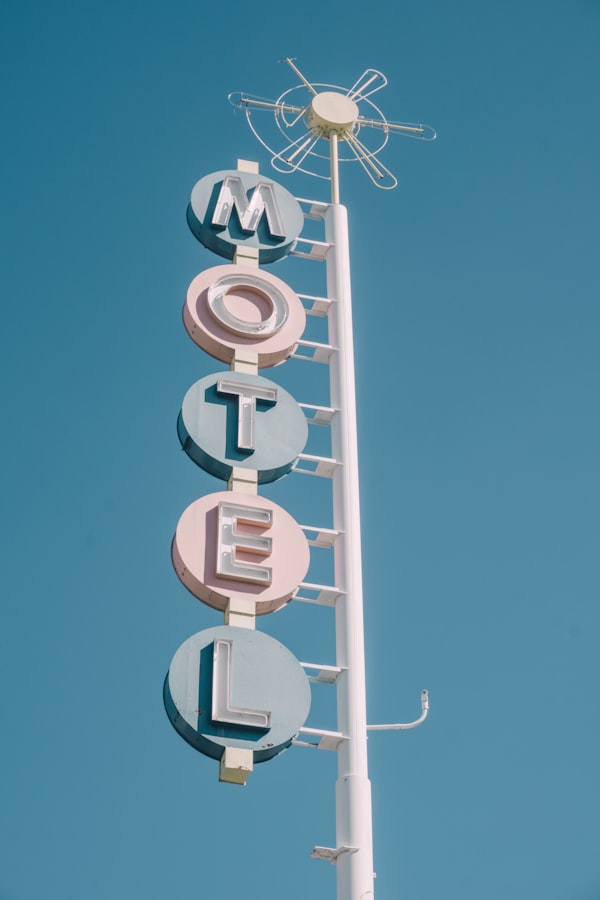
High Country Motor Lodge
A reimagined Route 66 motor lodge with mid-century modern style and a rooftop lounge. The best spot for couples.
Frequently Asked Questions
What is Flagstaff, Arizona known for?
Flagstaff is known for being the gateway to the Grand Canyon, the world's first International Dark Sky City, a historic Route 66 town, and a four-season mountain destination at 7,000 feet elevation. It's home to Northern Arizona University, Arizona Snowbowl ski resort, and a thriving craft brewery and restaurant scene.
How far is Flagstaff from the Grand Canyon?
Flagstaff is approximately 80 miles (about 1.5 hours by car) from the Grand Canyon's South Rim. This makes Flagstaff the most popular base camp for Grand Canyon day trips, with easy access via US-180 or I-40 to AZ-64.
What is the best time to visit Flagstaff?
Summer (June-August) is peak season with highs around 80 degrees while Phoenix bakes at 115. Fall (September-November) offers stunning aspen colors and fewer crowds. Winter brings skiing at Arizona Snowbowl with 100+ inches of annual snowfall. Spring is the quietest season with wildflowers starting in late April. There's no bad time to visit.
Where should I stay in Flagstaff?
It depends on your style. Our full hotel guide covers 10+ options across every budget. If we had to pick one: Little America Hotel — 500 acres of ponderosa forest, resort-level rooms, and rates that are surprisingly reasonable. Stay downtown if you want walkable access to restaurants and breweries.
What are the best things to do in Flagstaff?
Top activities include visiting Lowell Observatory (where Pluto was discovered), hiking Humphreys Peak (Arizona's highest point at 12,637 feet), exploring Walnut Canyon cliff dwellings, driving to Sedona through Oak Creek Canyon, brewery hopping downtown, stargazing under certified dark skies, skiing at Arizona Snowbowl, and taking a day trip to the Grand Canyon.
Why Flagstaff?
Most people think of Flagstaff as a pit stop on the way to the Grand Canyon. That's a mistake. Flagstaff is a destination in its own right — a genuine mountain town with 7,000 feet of elevation, four true seasons, and a downtown that feels more like Boulder or Bend than anything else in Arizona.
The town sits at the intersection of some of the most remarkable geography in the American West. The San Francisco Peaks — remnants of a massive stratovolcano — rise to 12,637 feet just north of town, the highest point in Arizona. The Coconino National Forest wraps around the city on all sides, offering immediate access to hundreds of miles of hiking, biking, and cross-country skiing trails. Drive 30 minutes south and you're in Sedona's red rock country. Drive 90 minutes north and you're staring into the Grand Canyon.
Flagstaff was the world's first International Dark Sky City, designated in 2001. On a clear night, the Milky Way is visible to the naked eye from within city limits. Lowell Observatory — where Pluto was discovered in 1930 — still operates on Mars Hill, offering public telescope viewings that are among the best stargazing experiences available anywhere.
The downtown along Route 66 is walkable, historic, and genuinely interesting. Independent restaurants, craft breweries, locally owned shops, and a year-round calendar of festivals and events give Flagstaff a cultural energy that most small Western towns simply don't have. Northern Arizona University adds 30,000 students to the mix, keeping the town young and dynamic.
Whether you're planning a weekend escape from the Phoenix heat, a base camp for exploring Northern Arizona's national parks and monuments, or a ski trip to Arizona Snowbowl, Flagstaff delivers. This guide covers every angle — what to do, where to eat, where to hike, which day trips to take, when to visit, and where to stay — with honest, opinionated recommendations from people who genuinely love this town. Visiting on a budget? See our Flagstaff on a budget guide.
